

The Wealth Gap Between Homeowners and Renters is Bigger Than You Think

- Buying between ages 28 and 32 is associated with about 22.5% more net worth by age 50, or roughly $119,000 more wealth
- Buying between ages 33 and 37 is linked to about 11.2% more net worth, or about $59,000 more
- Buying between ages 38 and 42 shows a smaller difference of about 1.5%, or roughly $8000
Most homeowners don't notice these changes month to month. They tend to show up gradually over years of ownership as equity builds and home values change.
Buying earlier simply means giving that process more time to unfold.
"Should I Invest Instead of Buying?"
This is one of the most common questions buyers ask when they start thinking seriously about homeownership.
You might wonder if it makes more sense to rent and invest the difference in the stock market instead of putting money into a house.
It's a fair question, especially if you've been hearing a lot about investing and financial independance.
In theory, either path can build wealth. In practice, most households experience homeownership differently because of how the financial mechanics work.
Here are a few reasons.
- Mortgage payments create a built-in savings habit. Each monthly payment reduces the loan balance a little more, which slowly increases your ownership in the home. Many people build equity simply by making the housing payment they already have to make.
- Leverage amplifies gain. When you buy a home, you're usually able to borrow a large amount of money at relatively low interest rates to purchase an asset that can grow in value. That kind of leverage is difficult to replicate with other types of investments.
- You're investing while solving a real life need. A home is more than just an investment. It's also where you live. Over time, homeowners may benefit from both housing stability and potential equity growth.
- Consistency tends to beat perfect timing. Wealth from homeownership usually builds slowly over many years as the loan balance shrinks and property values change.
Realtor.com's data shows earlier homeownership often leads to stronger overall balance sheets later in life, including both housing wealth and non-housing assets.
In other words, owning a home doesn't have to replace other investments. For many households, it becomes the foundation that allows other wealth building habits to develop.
The Bigger Picture for Today's Buyers
If buying a home feels harder today than it did for previous generations, you're not imagining it.
According to the Realtor.com report, the median age of first time homebuyers has climbed from 30 in 1990 to 40 in 2025. Saving for a down payment now takes close to 10 years for the typical household, compared with about 3 years in the past.
A few things have changed that have made the path to homeownership longer for many buyers.
- Home prices have climbed faster than incomes in many markets
- Entry level homes are harder to find
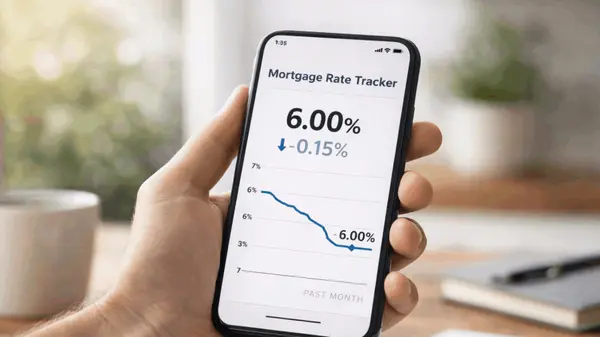
- Higher mortgage rates have pushed monthly payments higher
- Down payments take longer to save
Even with these challenges, the long term financial impact of owning a home hasn't changed very much. Most of the financial upside builds gradually as the years go by.
- Mortgage payments slowly reduce the loan balance
- Home values generally rise over longer periods of time
- Equity grows as your ownership stake increases
- Long term homeowners often build meaningful housing wealth
That doesn't mean everyone should rush into buying a house. The right timing depends on your finances, your job stability, and your long term plans.
What this research helps show is why so many households still see homeownership as an important step toward building financial stability.
If you're thinking about buying, it can help to understand what the path to ownership looks like in your local market and how it fits into your long term goals.
Recent Posts








"My job is to find and attract mastery-based agents to the office, protect the culture, and make sure everyone is happy! "
725 E. Mountain St., Kernersville, Carolina 27284, United States