

Buyer Priorities Have Changed After 20 Years of Listings. Here's What They Want Now.
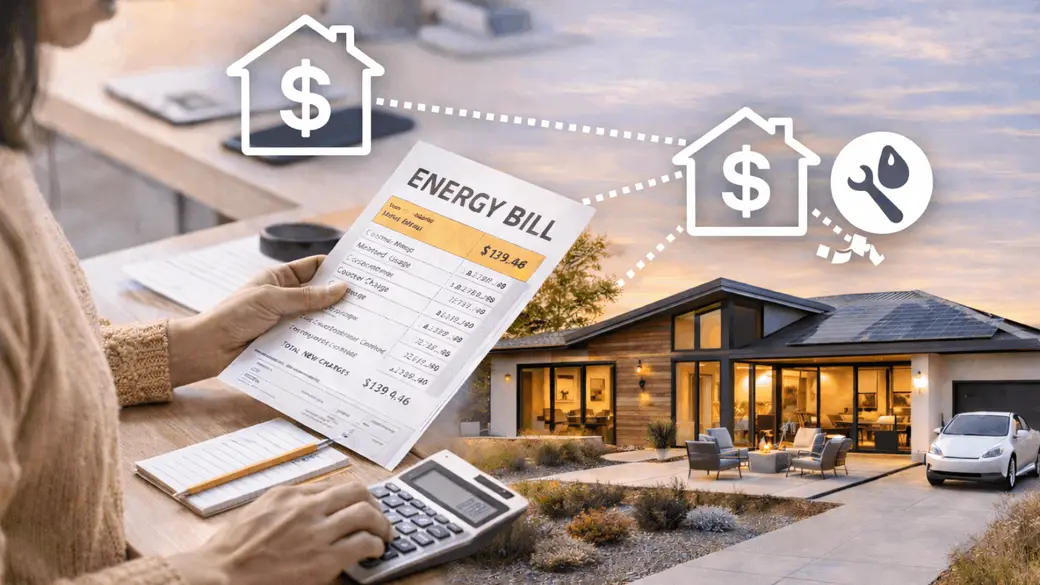
- Higher energy bills
- Higher insurance premiums
- More ongoing maintenance
Oversized rooms and dramatic features like two story foyers still photograph well, but they get buyers thinking:
- How expensive will this be to heat and cool?
- Will this space feel drafty or uneven in temperature?
- How expensive is it to insure a house with this much volumn?
- How much of this space will we actually use?
- What does it cost to replace or repair windows this size?
Many buyers now see more value in how well a home functions and how manageable it feels to live in. A smart layout with a reasonable footprint often connects more than extra square footage that drives up monthly costs.
Layouts, Finishes, and What Actually Stands Out to Buyers
Once the buyers are inside the home, Zillow's listing data shows they're placing less value on rooms designed for occasional use and more on spaces that serve a clear purpose.
That shift shows up in how buyers evaluate layouts:
- Openness where it helps everyday living
- Separation where privacy or quiet matters
- Spaces that feel usable year round
Zillow has seen a 48% increase in listings mentioning reading nooks, pointing to demand for contained, quiet spaces within the home.
Buyers are asking themselves whether there's a place to work, take a call, or decompress, and whether the layout works when the house is full, not just when it's staged.
Design choices are being judged differently, too.
Many sellers still default to neutral finishes to avoid turning buyers off. Zillow's data suggests that approach doesn't always pay off. Mentions of color drenching are up 149%, and Zillow's paint analysis found buyers were willing to offer more for homes painted in darker colors like:
- Olive green
- Navy blue
- Charcoal gray
The goal isn't to chase paint color trends, but to avoid stripping away personality in the name of playing it safe.
What Buyers Mean Now When They Talk About "Good Upgrades"
Upgrades used to mean finishes. But today's buyers are focused on features that affect comfort, monthly costs, and long term reliability.
Zillow's data shows growing interest in wellness and efficiency features:
- Spa-inspired bathrooms are up 22%
- Whole-home batteries are up 40%
- EV charging stations are up 25%
During showings, these upgrades prompt planning focused questions:
- What will our utility bills look like?
- How insulated and efficient is this home?
- Is it set up for electric vehicles or future energy needs?
- Will these features help protect us from rising insurance or climate risks?
Zillow notes that climate resilient features are increasingly being called out as selling points. Features that lower ongoing expenses and reduce uncertainty often carry more weight than finishes that look new but cost more to maintain.
When buyers leave a showing, they're deciding whether the home feels workable for real life, not just appealing on paper. Homes that communicate efficiency and livability tend to connect more strongly in today's market.
I'll leave you with this perspective from Zillow home trends expert Amanda Pendleton:
"If the past 20 years transformed homes from status symbols into personal sanctuaries, the next 20 will be about adaptability. Our homes will be better able to evolve with changing families, changing climates and changing lifestyles.
We expect future homes to be more flexible, resilient and deeply personal. The smartest homes won't feel high tech; they'll feel intuitive, lived in and supportive."
Recent Posts




"My job is to find and attract mastery-based agents to the office, protect the culture, and make sure everyone is happy! "
725 E. Mountain St., Kernersville, Carolina 27284, United States